Revitalizing A Forgotten Village Through Craft Beer And Community
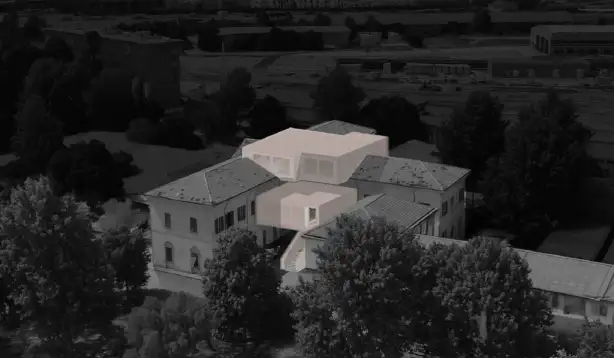
The project began with the restoration of an abandoned farmhouse, transformed into a production hub that honors the local raw material: the chestnut.
This redevelopment goes beyond production, acting as a social catalyst to restore value to an isolated location and providing a new reference point for the community and the young scout groups who return to populate the village trails.The project began with the restoration of an abandoned farmhouse, transformed into a production hub that honors the local raw material: the chestnut. This redevelopment goes beyond production, acting as a social catalyst to restore value to an isolated location and providing a new reference point for the community and the young scout groups who return to populate the village trails.The project began with the restoration of an abandoned farmhouse, transformed into a production hub that honors the local raw material: the chestnut. This redevelopment goes beyond production, acting as a social catalyst to restore value to an isolated location and providing a new reference point for the community and the young scout groups who return to populate the village trails.

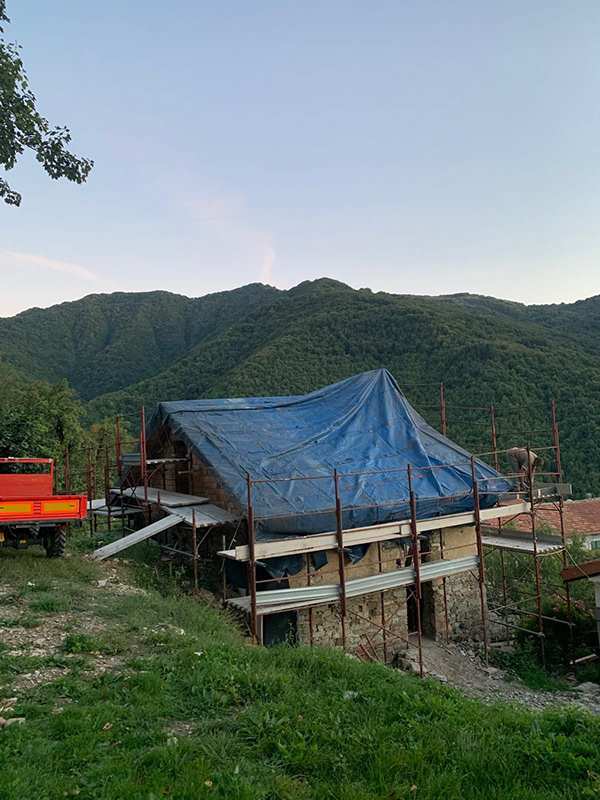
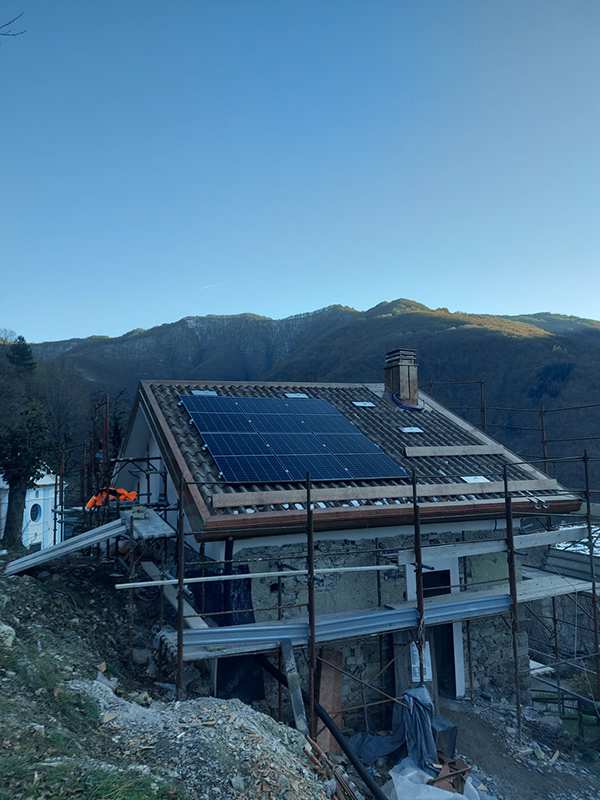

The architectural intervention was guided by the need to harmonize diverse functions within the same historic building while maintaining a dialogue with the rural landscape.
The house is developed across two main levels: the basement floor houses the production laboratory—a technical workshop where craftsmanship takes shape—while the upper floor is dedicated to a private apartment that reinterprets tradition through a modern lens.
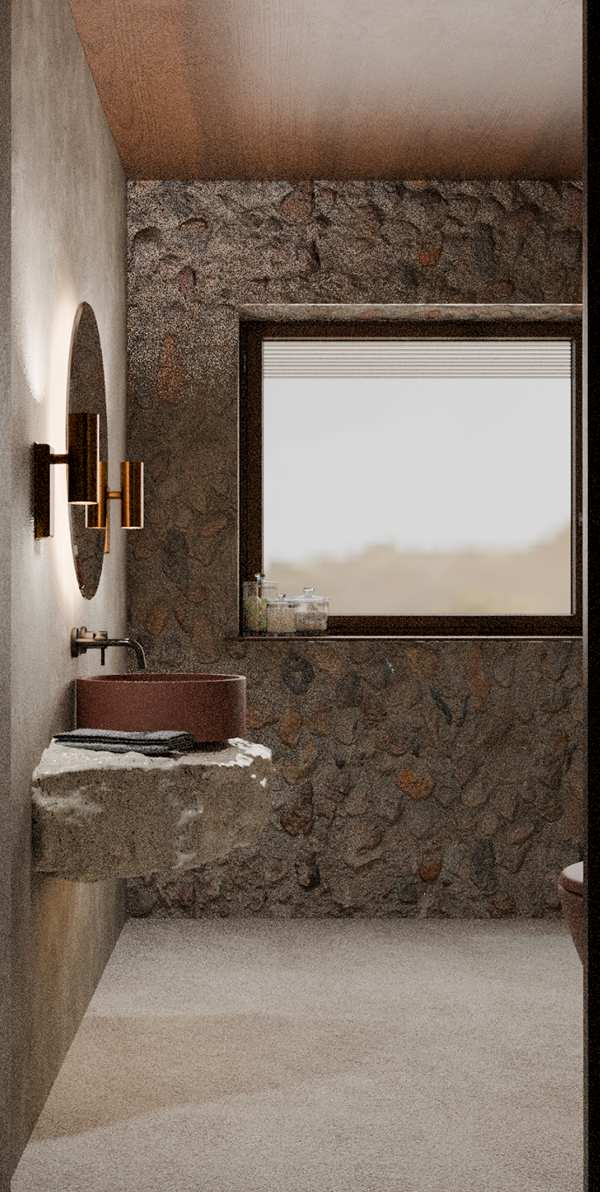
A distinctive element of this social commitment is the independent external volume, designed exclusively to provide restroom facilities for scouts, turning the structure into an essential logistical hub for slow and educational tourism in the area.
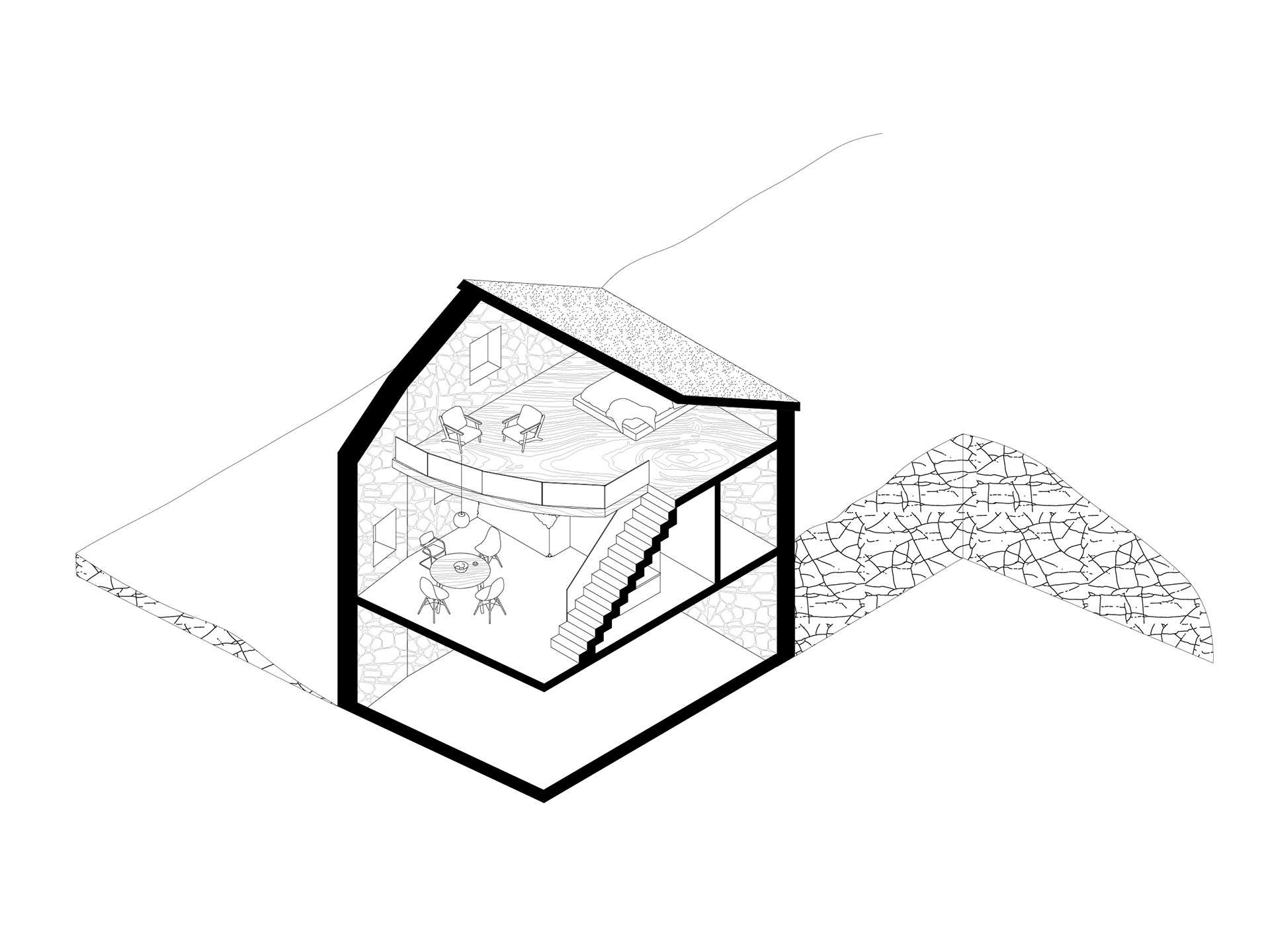
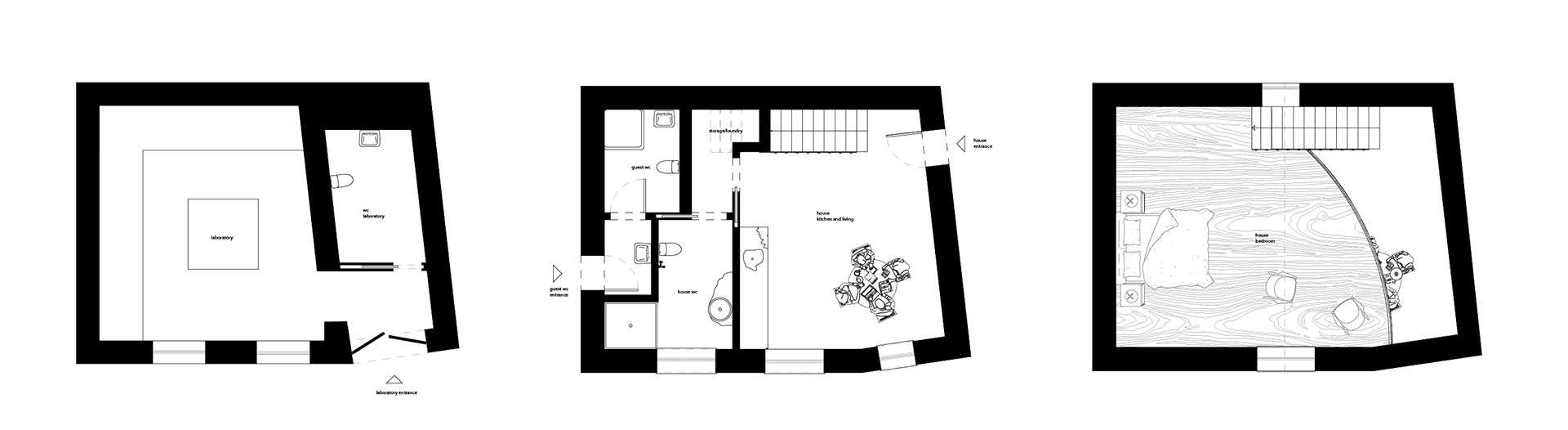
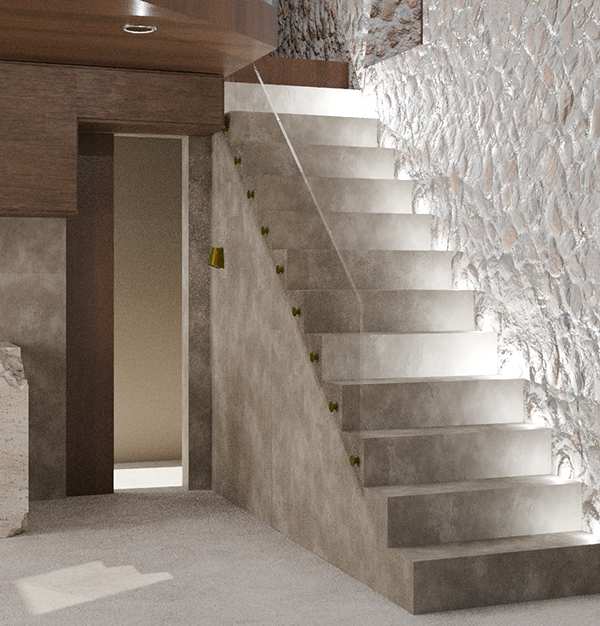
The essence of the house lies in its symbiotic relationship with the landscape, as the structure emerges directly from within the hillside, using stone as its primary, foundational element.
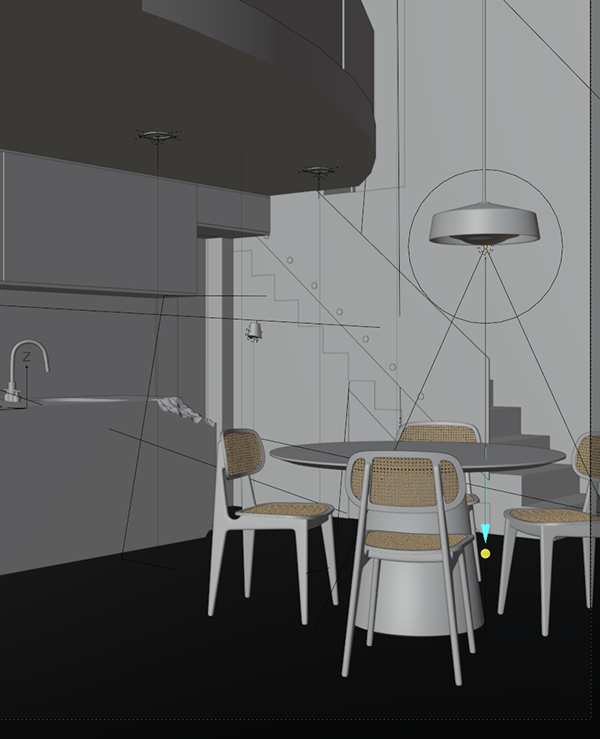
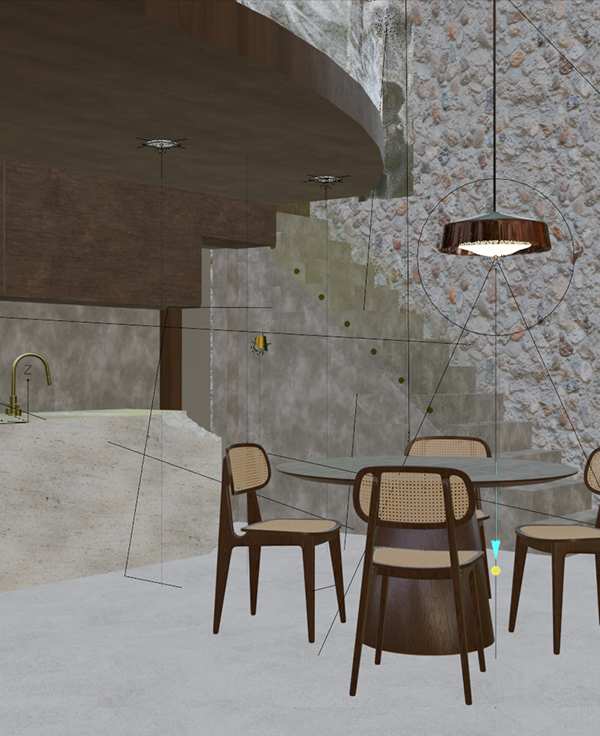
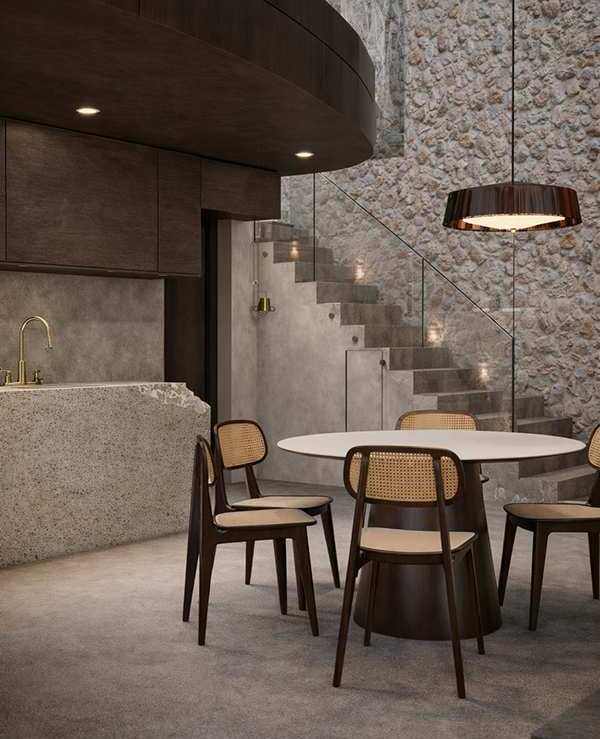
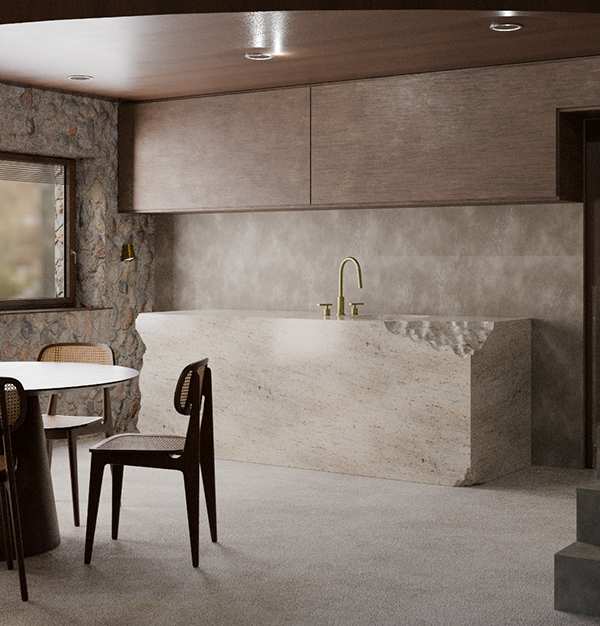
The interior is conceived as an extrusion of the external environment, where nature is not merely observed but lived; the house is born from the earth and wood, camouflaging itself until it becomes an integral part of the topography.
This organic philosophy is reflected in the use of raw, natural materials: massive excavated granite countertops serve as functional sculptures, while warm wood accents and strategically placed light sources enhance the primitive beauty of the stone walls.
Every space is designed to feel like a natural extension of the forest floor, creating a sanctuary where architecture and the environment coexist as a single, indistible entity.
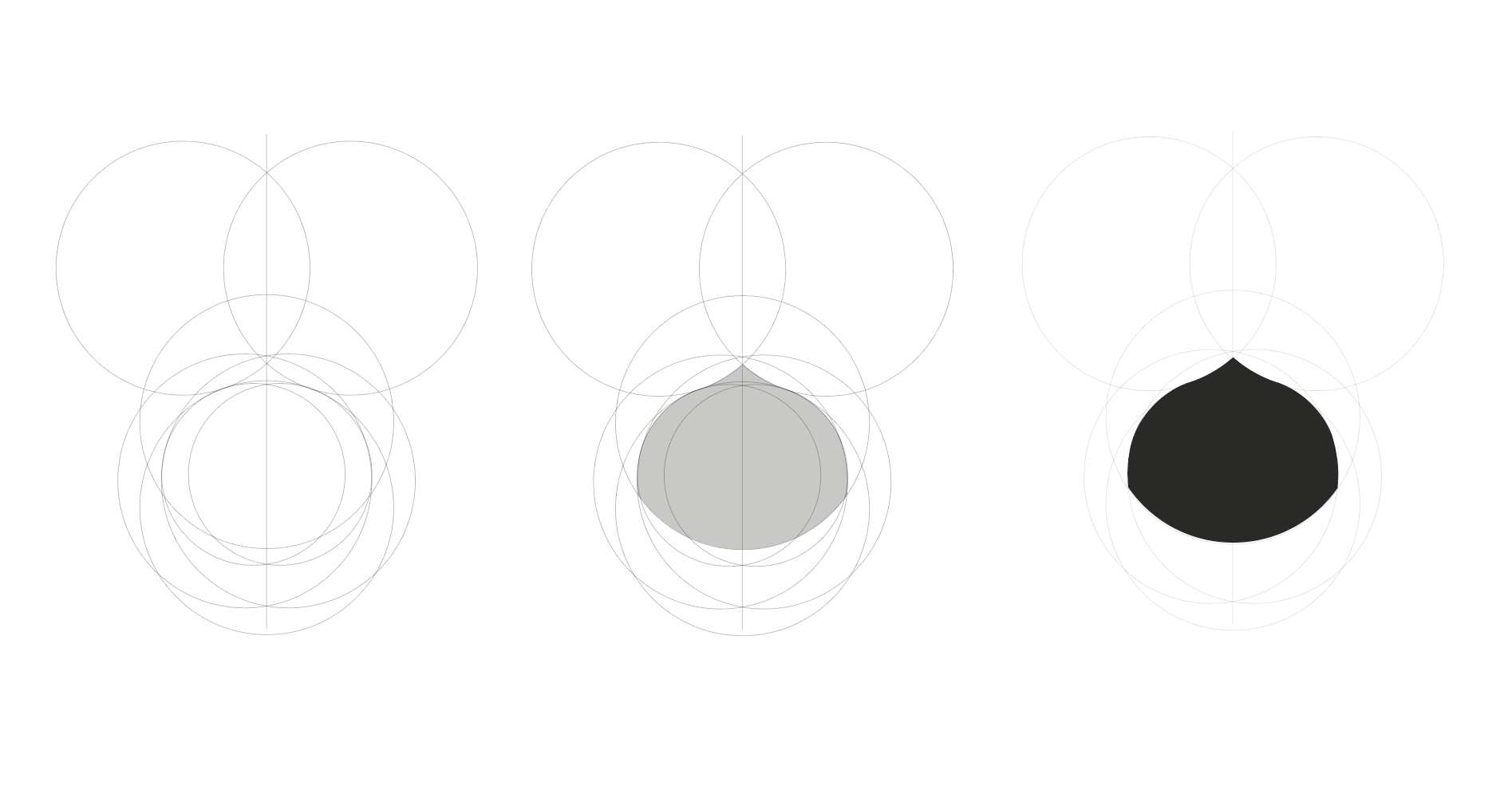
The visual identity of Castanea stems from a rigorous geometric synthesis that blends architecture and nature
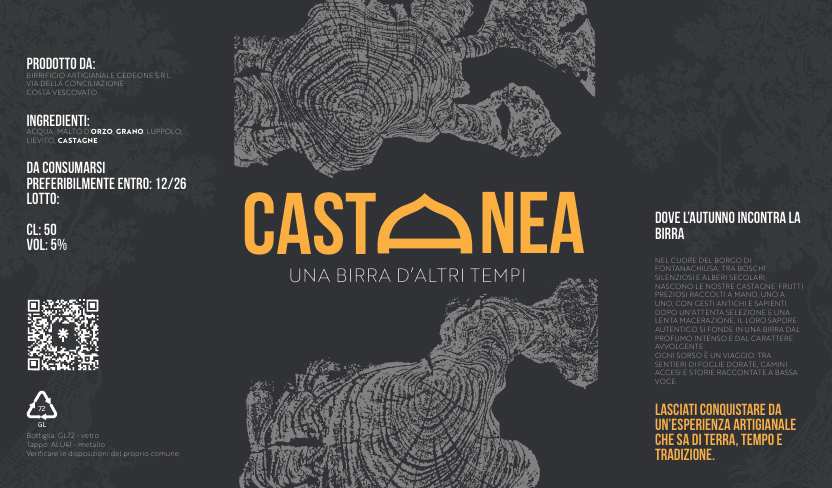
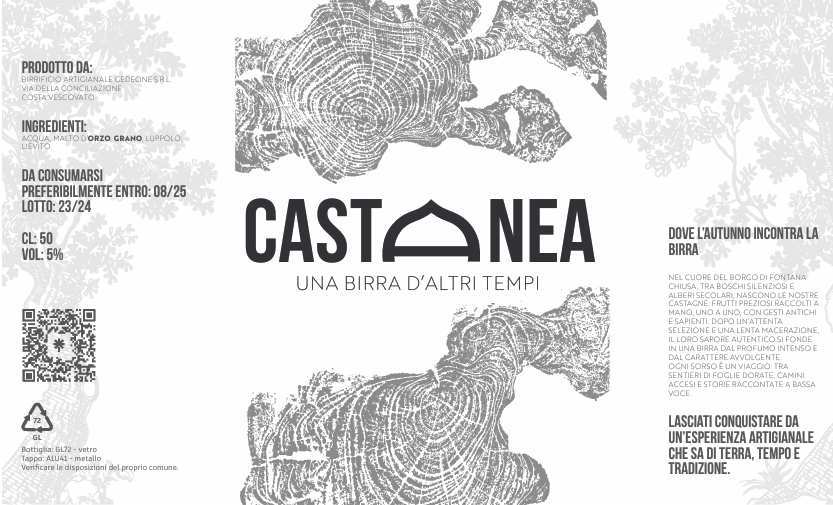
The core of the brand lies in the typographic treatment of the name, where the central letter “A” evolves into an iconic pictogram. Constructed through the intersection of perfect arcs and circles, this graphic mark does not only recall the profile of a chestnut but also evokes the architectural structures of the ovens and the laboratory arches.
It is a visual meeting point where design precision meets the spontaneity of the fruit, transforming a typographic character into an immediate symbol of the forest.